Cloud computing promises is the ability to scale infinitely and with agility. However for many companies as well as developers that promise has frightening negative side “bill shock.” In one moment youre spinning on test server but the next youre looking at an invoice for more than the rent you pay each month.
AWS Cloud Cost Management is not just about saving you money but also about the discipline of architecture. Its about aligning your allocated capacity to your specific business requirements. This is comprehensive guide well go beyond the basic “cost cutting” and teach you the art of engineering the most value. The guide will focus on the most common techniques the traps that are hidden and advanced techniques employed by cloud architects in order to make their infrastructures more efficient and efficient.
Part 1: The Foundation of Cloud Economics
Before pressing one button on the AWS console we need to know why cloud related costs are spiraling beyond control. In traditional data centers procurement can be difficult. When you order server take six weeks to wait then set it up. With AWS purchasing its instant. The term “frictionless consumption” means that there are no guardrails and costs rise quicker than the revenue.
The OPEX Vs. The CAPEX Shift
- CAPEX (Capital expenditure): Buying physical servers in advance. The cost is once paid and you keep the asset in your possession for 5 years.
- OPEX (Operational expenditure): Paying for the services you need at the time you utilize it. This is how you pay for the AWS model.
The danger of OPEX is “Zombie Infrastructure” resources that are running and billing you by the hour but are no longer providing value.
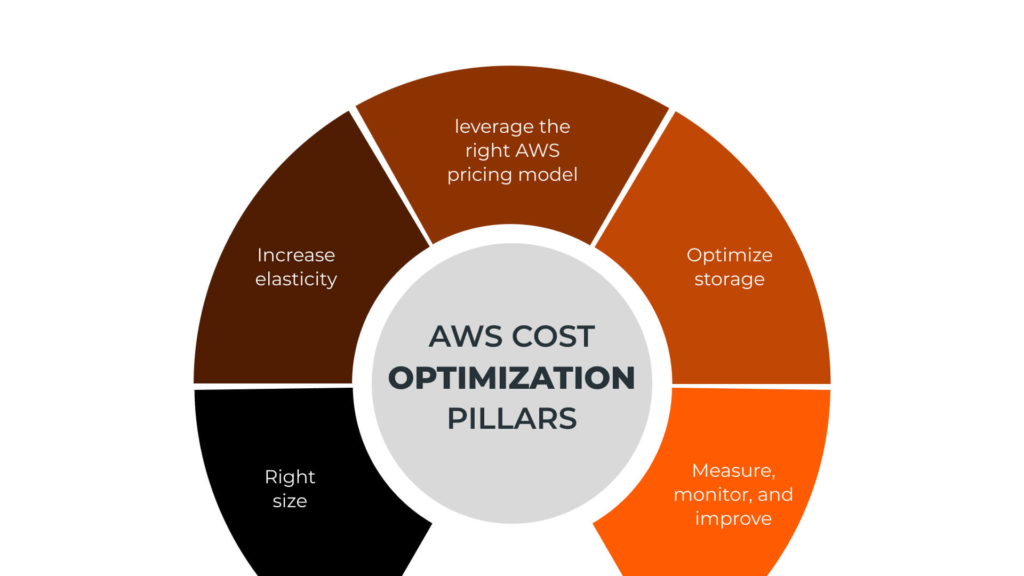
The Three Pillars of Cost Management
To be able to master AWS cost you need to be able to master three phases distinct from each other:
- visibility: Knowing exactly who spends money and for what.
- Optimization Recycling waste modernizing and rightsizing.
- Governance Establishing rules that stop future waste.
Part 2: Gaining Visibility (The “X Ray” Phase)
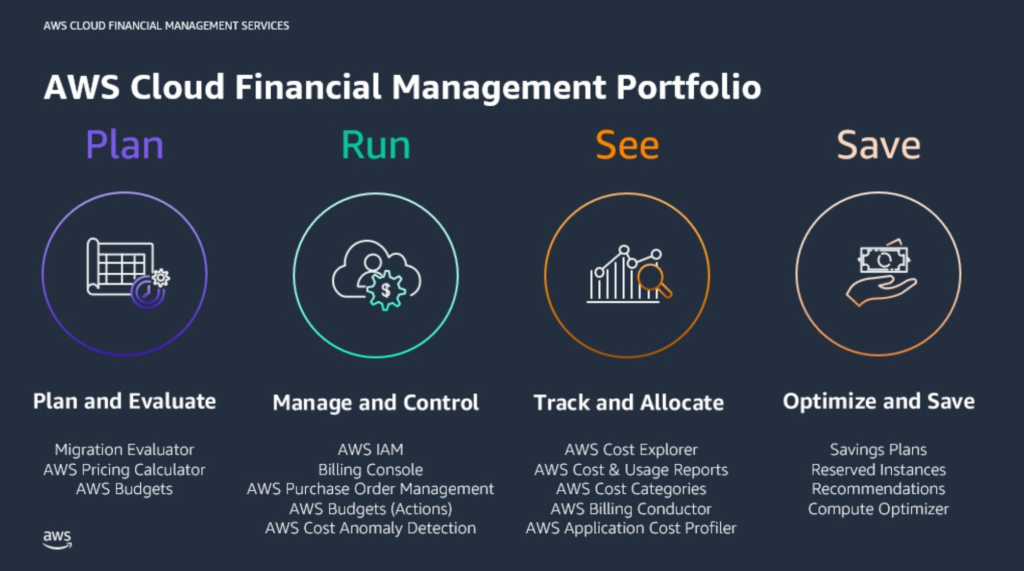
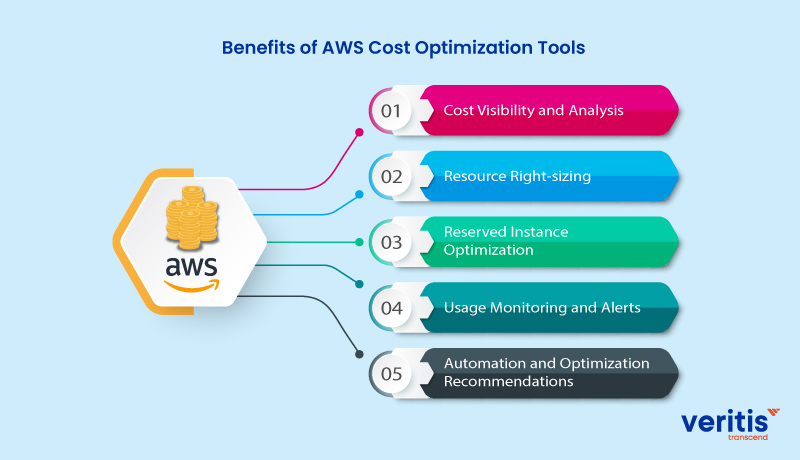
It is impossible to fix something isnt visible. First step for any newbie is to turn on the lights. AWS offers variety of financial tools. your financial monitor.
Step 1: Activate AWS Cost Explorer
Cost Explorer is your main dashboard. It displays your data on usage and permits you to get into the details.
- action: Go to the AWS Billing Dashboard and enable Cost Explorer. Be aware that it can take up to approximately 24 hours to update the information when you enable it for the first time.
- Principal Feature: The “Daily Spend” view. The bar chart displays your expenses day by day. If you notice an increase in your costs on Tuesday use the button to determine the exact cause of it.
Step 2: Implement Tagging Strategies
It is crucial measure to maintain sanity for the long term. “Tag “Tag” is label that you apply to source (like for example an EC2 instance or an S3 bucket). If you dont tag your resource the bill will read “EC2: $5000.” If you add tags your bill will be written as “Project Alpha: $500 Project Beta: $4500.”
Essential Tags for Beginners:
- Environment: (Dev Test Prod)
- CostCenter: (Marketing Engineering HR)
- Property Owner (Email number of person responsible for the development)
When you tag every resource you establish the possibility of accountability. If the resource does not have an owners tag its an ideal candidate for removal.
Step 3: AWS Cost and Usage Report (CUR)
To conduct more sophisticated research Cost Explorer isnt enough. The raw data is required.
- What is it: The CUR is huge CSV file that is sent to an S3 bucket every day. The CUR lists each line item in your invoice right down to the minute and gigabyte.
- The reason to use it: You can feed the data into tools for visualization such as Amazon QuickSight or Tableau to create custom dashboards that are based on the specific KPIs of your business.
Part 3: Stopping the Bleeding (Immediate Optimization)
When you are able to see it is likely that youll find the waste. These are steps that you can do to reduce the cost of your services without having to rewrite your application.
1. Eliminate “Zombie” Resources
They are also the fruit with the lowest hanging.
- Inaccessible EBS Volumes If you end the EC2 instance it is likely that your storage capacity (hard drive) typically remains. The cost is for the hard drive which is not connected to anything.
- Obsolete Snapshots Backups are good however do you really need daily backups of development server that was in 2021?
- Idle Load Balancers Elastic Load Balancing (ELB) cost money each hour that it is running regardless of whether or not flow of traffic flows through it.
2. Rightsizing Compute
Developers often over provision. They select to use “Large” server just to protect themselves but an “Micro” would suffice.
- The Tool: AWS Compute Optimizer. This tool is free and makes use of machine learning to analyse the usage of your server over time. If your server is running at 5% CPU Compute Optimizer will advise you to: “Downgrade from m5.large to m5.medium to save $40/month.”
3. S3 Intelligent Tiering
Costs for storage accumulate slowly.
- Standard Class Costly but for frequent access to information.
- Glacier Class: Cheap to store archives.
- The Solution: Enable S3 Intelligent Tiering. This class will automatically move your files from expensive to inexpensive storage tiers according to how frequently you visit the files. This class requires no code modifications and could reduce your storage costs by 30% to 50 percent.
Part 4: Advanced Pricing Models (The “Commitment” Phase)
In other words paying “On Demand” prices is like paying rack rates at the hotel. If youre in the area for more than year then you must bargain for better bargain.
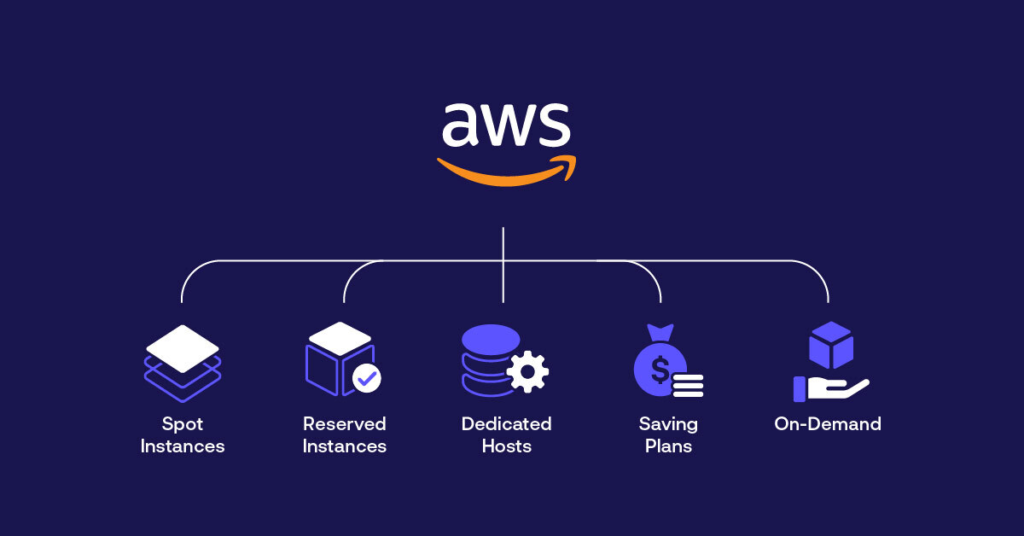
Reserved Instances (RIs) as opposed to. Savings Plans
The biggest savings can be found (up up to 72% savings).
- Reserved Instances (The Old Way): You sign up to particular type of instance (e.g. m5.large) for period of 1 to 3 years.
- Advantages Savings are high.
- Cons: Inflexible. If youd like to move to different version of the instance type (m6.large) it is possible to get stuck.
- Savings Plan (The New Way): You pledge spending certain amount of dollars per hour (e.g. “I promise to spend $10/hour on compute”).
- Benefits: Extremely flexible. It is possible to switch instances regions families and even switch to EC2 into Fargate (serverless containers) with the discount will still be in effect.
- Recommendation for the vast majority of novices Compute Savings Plans are the most suitable option because of their versatility.
Spot Instances (The Risky Discount)
Spot instances let you utilize AWSs spare capacity to get as much as 90% discount.
- The Problem: AWS can reclaim the servers for itself with just two minutes of warning.
- Application: Perfect for fault tolerant applications like batch processing image rendering or pipelines for CI/CD. Dont make use of Spot to run an production database or web server that is not able to cope with interruption.
Part 5: Governance and Automation (The “Guardrails” Phase)
It isnt single moment; its an ongoing regular routine. There is need to create processes that stop costs from escalating again.
AWS Budgets
This will be your protection. You are able to create personal spending limit (e.g. “Monthly Spend < $500”).
- Alerting Set it up to send you an email when youve reached the 80% mark from your financial goal.
- Forecast Alerts AWS is able to predict whether youre likely out of your budget based on the running rate and notify to you weeks ahead.
Auto Scaling Policies
The cost of static infrastructure is high. If the traffic on your site drops in the evening then your servers number should decrease as well.
- Dynamic Scaling Set up Auto Scaling Groups (ASG) to increase servers whenever CPU reaches 70% and then remove those when the CPU drops to below 30 percentage. This will ensure that youre paying precisely what you want every minute.
The “Nuke” Strategy for Non Prod
The development environments do not usually have to be running 24/7.
- Instance Scheduler: Use the AWS Instance Scheduler solution to schedule the automatic shut down of off test and development servers at 7PM on Friday. They will switch them back on by 8AM on Monday. The result is reduction in the hours billable for these servers by more than 70 percent..
The FinOps Mindset
Understanding AWS Cloud Cost Management requires an organizational change called FinOps (Financial Operations). This shifts away from the belief that costs are exclusively the sole responsibility of the finance department. The cloud is where engineers spend their money. Therefore engineers need to be cognizant of cost.
Your Checklist for Success:
- Enable Cost Explorer immediately.
- Tag all of it prior to building it.
- Rightsize the instances you use regularly with Compute Optimizer.
- Purchase Savings Plan to help you maintain your work loads.
- Create budgets to prevent accidents from occurring before they cause disastrous.
The objective isnt to invest zero dollars. The aim is to maximize the value to business of each dollar that is spent. If you are able to respond to the question “Why did our bill go up by $500?” and answer “Because we acquired 1000 new customers” youve achieved cloud cost management.
- What is Artificial General Intelligence (AGI) | Master Guide 2026
- Agentic AI and Autonomous Agents: Guide to the Next Evolution of Ai
- Options Trading Automation Using Python: Complete Beginner Guide
- Synthetic Data Generation: The Ultimate Master Guide 2026
- GitHub Copilot Master Guide 2026: The Ultimate AI Coding Handbook